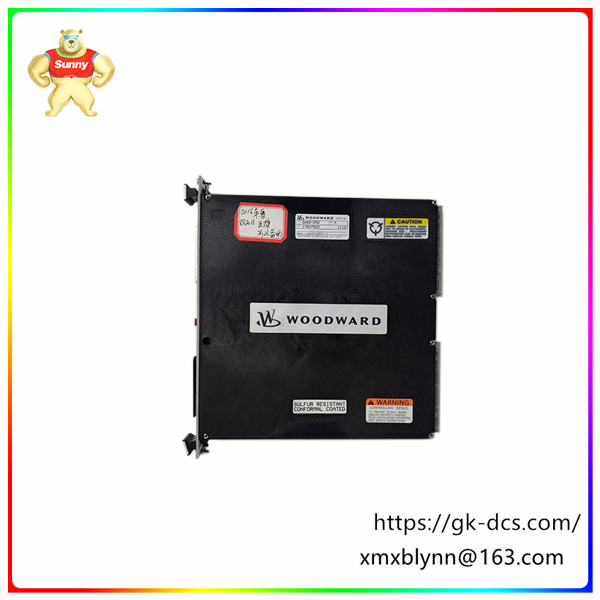
The Woodward 5466-258 is a power module commonly used in Woodward control systems and equipment to provide power and power management functions for these systems. Here are some common information about this power module:
Main Function: Provide stable, reliable power supply for various components and equipment in Woodward control system.
Applications: This type of power module is widely used in industrial control systems, electric power generation equipment, Marine control systems, turbine control, and other applications requiring accurate control and stability of the power supply.
Features and Specifications: Woodward power modules typically have a variety of features and specifications, including input voltage range, output voltage, current capacity, overload protection, voltage stability, and more. These specifications may vary by model and application.
Configuration and monitoring: Users can generally configure and monitor the performance of this power module to ensure that the power supply meets the requirements of the system. This may involve setting parameters, monitoring power status, and performing troubleshooting.
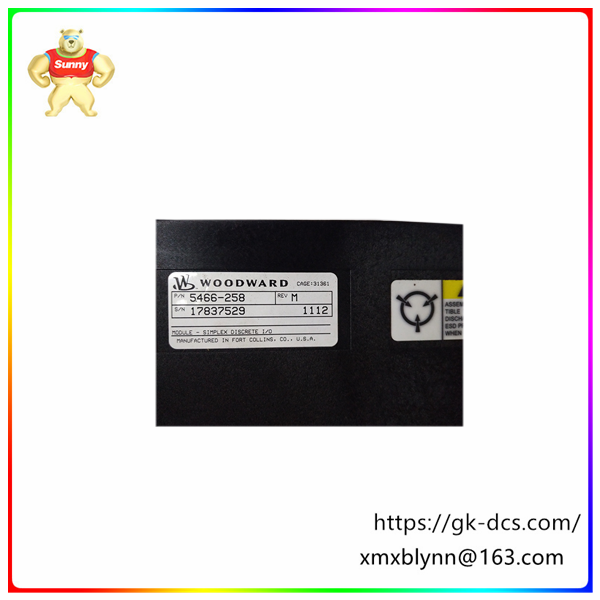
The specifications of Woodward 5466-258 May include the following, but please note that the specific specifications may vary depending on the actual application and configuration:
Power supply capacity: Power modules usually have A specific power capacity, usually expressed in watts (W) or amps (A). This determines the maximum electrical power the module can provide.
Input voltage range: The range of input voltage acceptable to the power supply module, usually expressed in volts (V). This determines the module's ability to operate under different voltage conditions.
Output voltage and current: The stable output voltage and current provided by the power module to meet the needs of the device or system connected to the module.
Efficiency: Conversion efficiency of the power module, that is, the ratio between the input power and the output power. High efficiency means less energy loss and better use of energy.
Dynamic response: The ability of the power module to respond to load changes, including rapid adjustment of voltage and current to maintain stable output.
Protection features: The power module may have safety features such as overcurrent protection, overvoltage protection, and undervoltage protection to protect the device and system from potential damage.
Physical dimensions and installation: Dimensions, weight, and installation mode of the power module, such as a plug-in plate or rack.
Environmental adaptability: Specifies the requirements of the power module on the operating environment, such as the temperature range, humidity, and vibration.
Certification and compliance: Power modules may comply with specific safety standards and industry specifications, such as UL and CE certification.


