The AC-24E2A Delta tau input/output module is a multi-directional channel conversion board primarily used for digital signal processing and conversion in industrial automation control systems. It has multiple input and output channels, and can receive and send various digital signals, such as switching quantities, pulses, etc.
The features of this module include:
High reliability: Well-designed, high-quality electronic components and materials for stable operation in harsh industrial environments.
Multi-directional channel conversion: supports a variety of different types of input and output channels, which can realize the conversion and mapping between different signals.
Programmable logic control: Support user-defined logic and control algorithms, can be programmed to achieve a variety of complex control logic.
Fast response: with high-speed processing capability and real-time response characteristics, it can meet the real-time requirements of various industrial control systems.
Easy integration: provides a variety of communication interfaces and protocols, and can be easily integrated with various industrial automation systems and equipment.
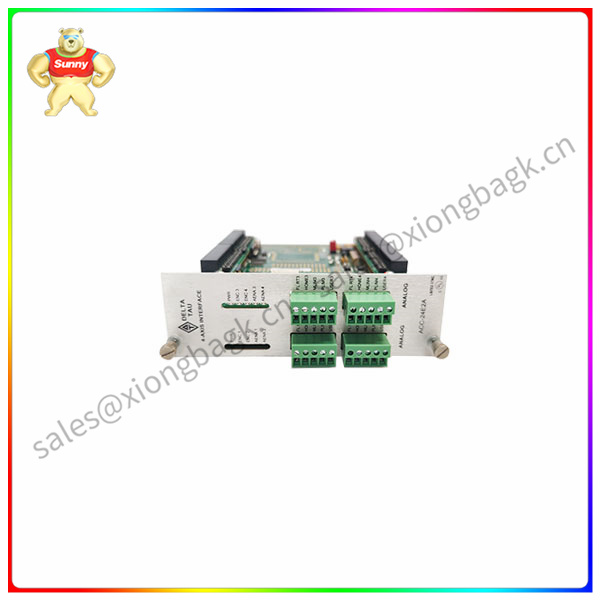
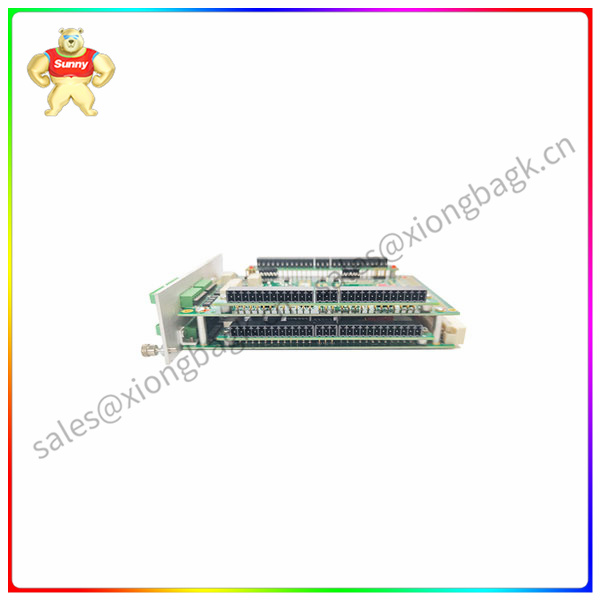
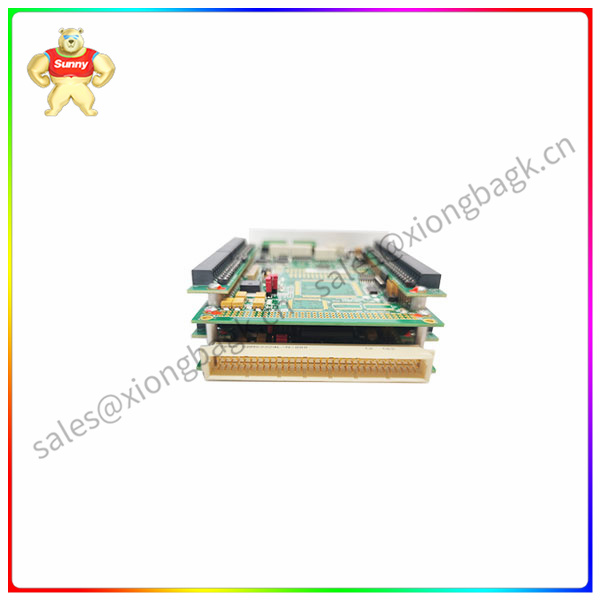
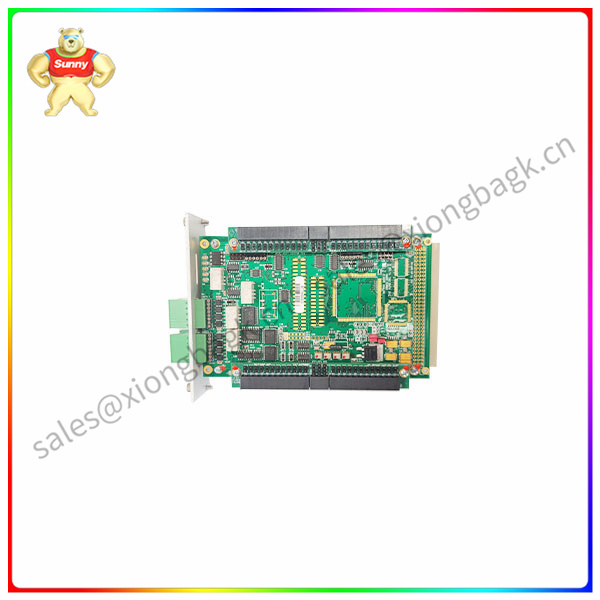
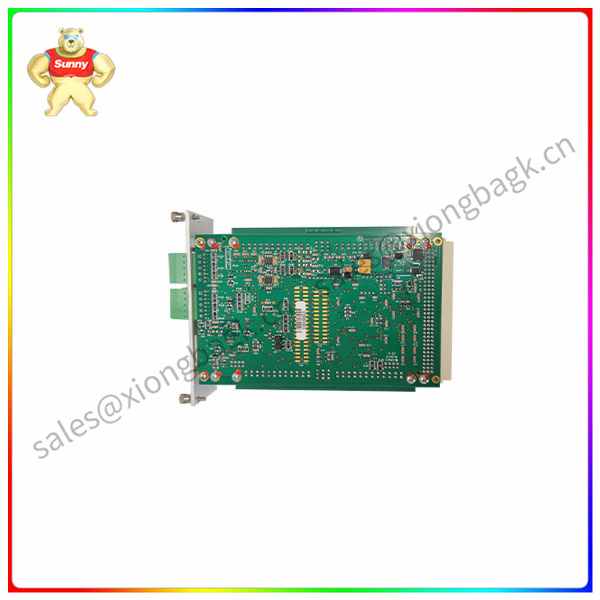
The ACC-24E2A Delta tau input/Output module supports a variety of protocols, including but not limited to the following:
Modbus protocol: Modbus is a serial communication protocol, widely used in the field of industrial automation. It supports master/slave communication mode and can realize data transmission and control between multiple devices.
Profinet protocol: Profinet is an Ethernet-based industrial automation protocol that supports real-time data transmission and equipment monitoring, enabling high-precision control and monitoring.
OPC protocol: OPC (OLE for Process Control) is an open, public data communication protocol, widely used in the field of industrial automation. It supports multiple languages and platforms, enabling seamless integration between devices from different vendors.
Custom protocols: In addition to supporting the above protocols, ACC-24E2A also supports user-defined protocols. Users can write custom communication protocols and processing logic according to their own needs and specific control system requirements.


