The CC12403 1021621 is a remote I/O module for Emerson's DeltaV systems.
The 1021621 is a remote IO module in the DeltaV system to collect and transmit data from industrial automation control systems. It has barge reliability, solid metal external panic communication interface and fault detection and protection
Features such as protection function 1.
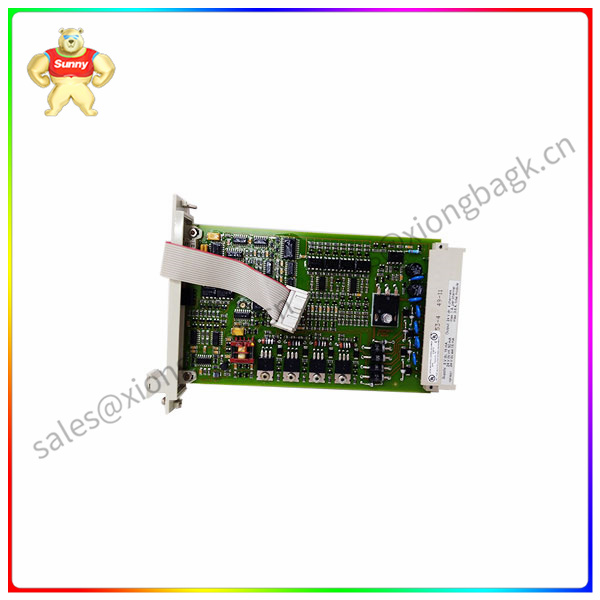
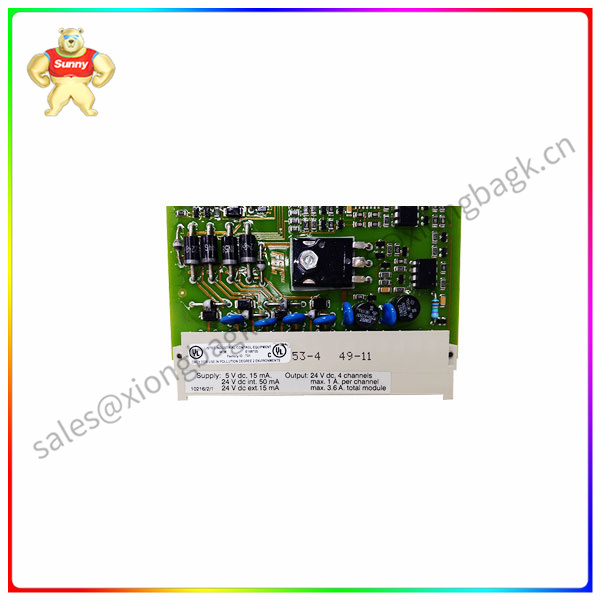
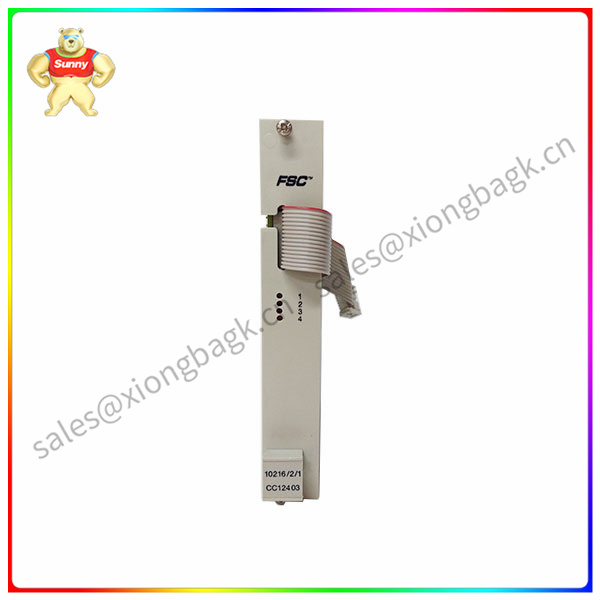
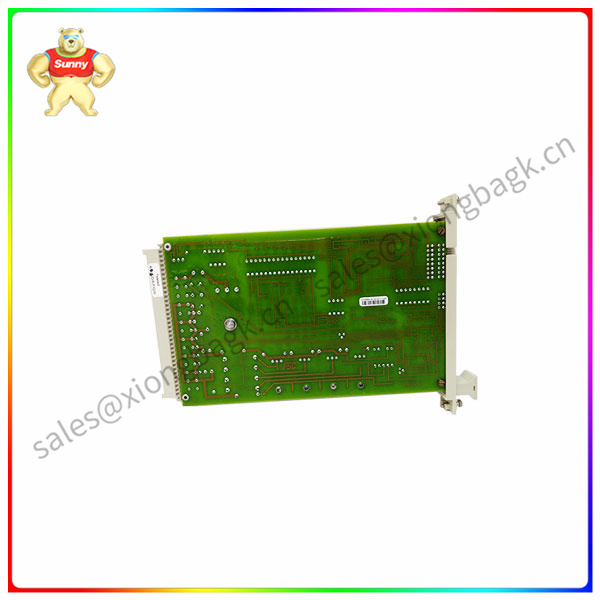
Remote I/O module is an industrial remote acquisition and control module, which provides passive node switching input acquisition, relay output, high frequency counter and other functions. Its power supply voltage is generally 10~30 VDC, supports reverse polarity protection, and can be a number of modules in the series for bus networking, so that I/O points can be flexibly expanded. Modules can be controlled by remote commands. The module uses industrial components, can work normally in the range of -30℃~60℃, support RS232, RS485 communication mode, the communication protocol adopts the industry standard Modbus RTU protocol.
In addition, simply speaking, remote I/O is a data acquisition/transmission module with communication functions, and it has no control and adjustment function. Only send the field data to the control center (such as PLC), or accept the data of the control center to control the field equipment. There are many communication methods, and each manufacturer has its own standards, such as free port communication, PROFIBUS, MODBUS, and so on.


