The CI871K01 is an analog input module produced by ABB that is commonly used in industrial automation systems. It has a variety of input channels, can receive analog signals and convert these signals into digital signals, and then output control signals through the output channel to achieve the control of the device.
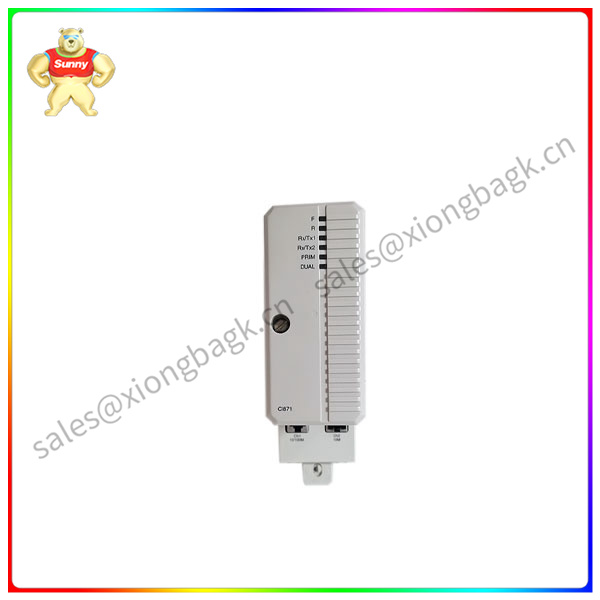
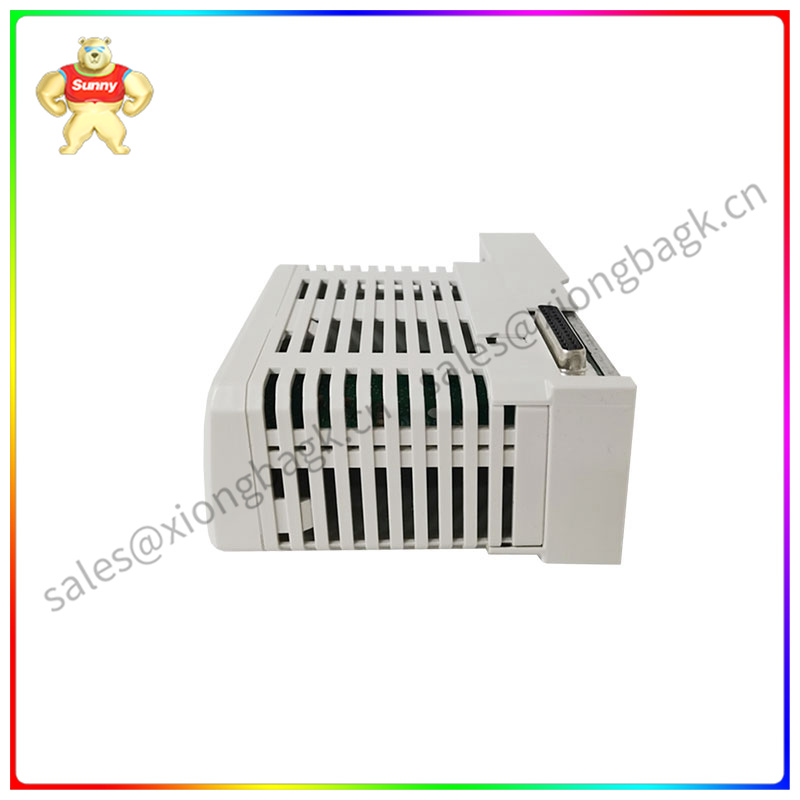
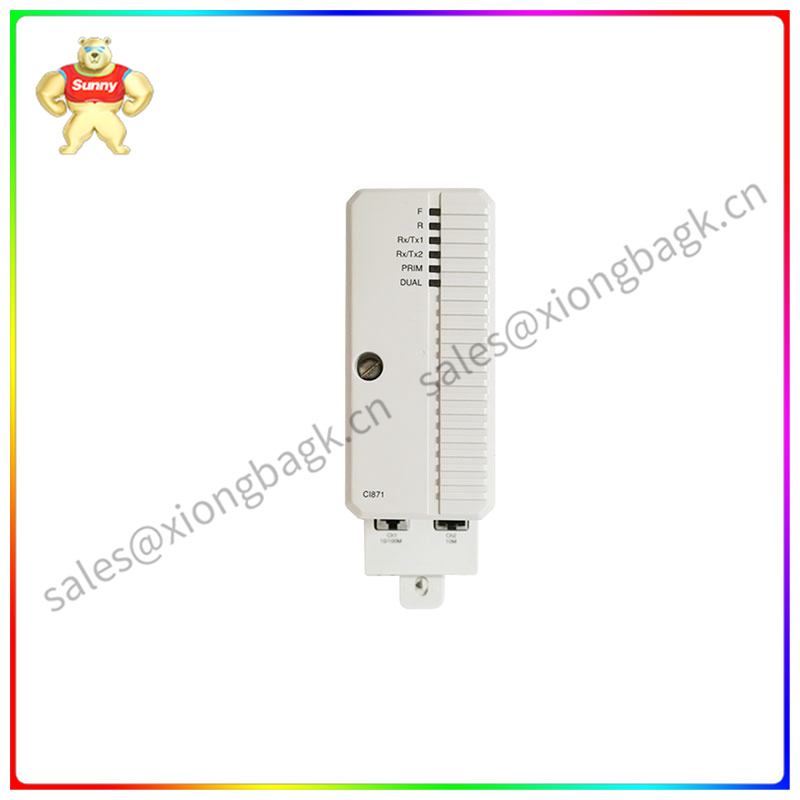
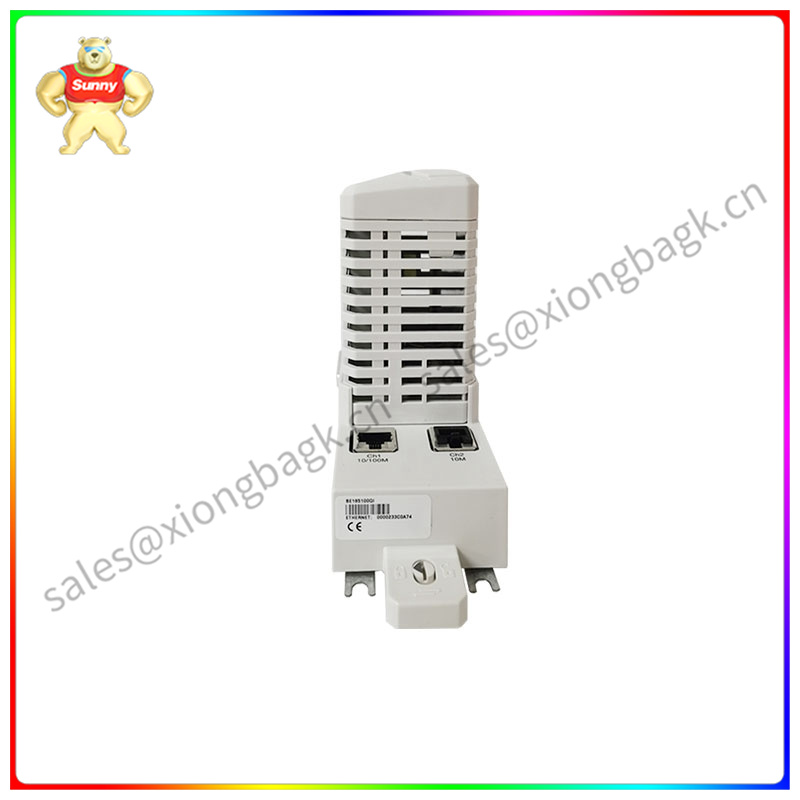
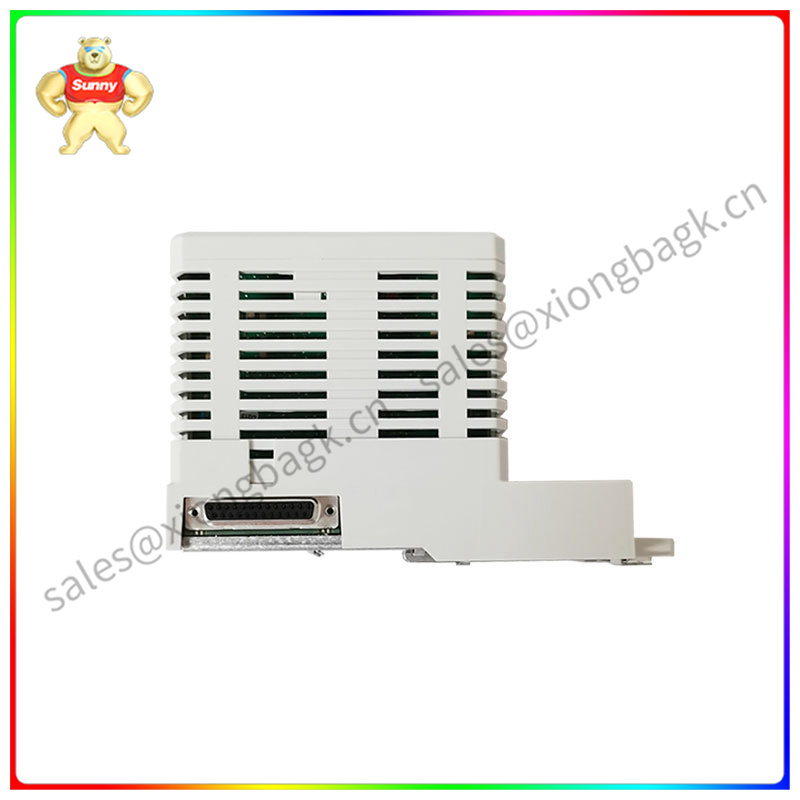
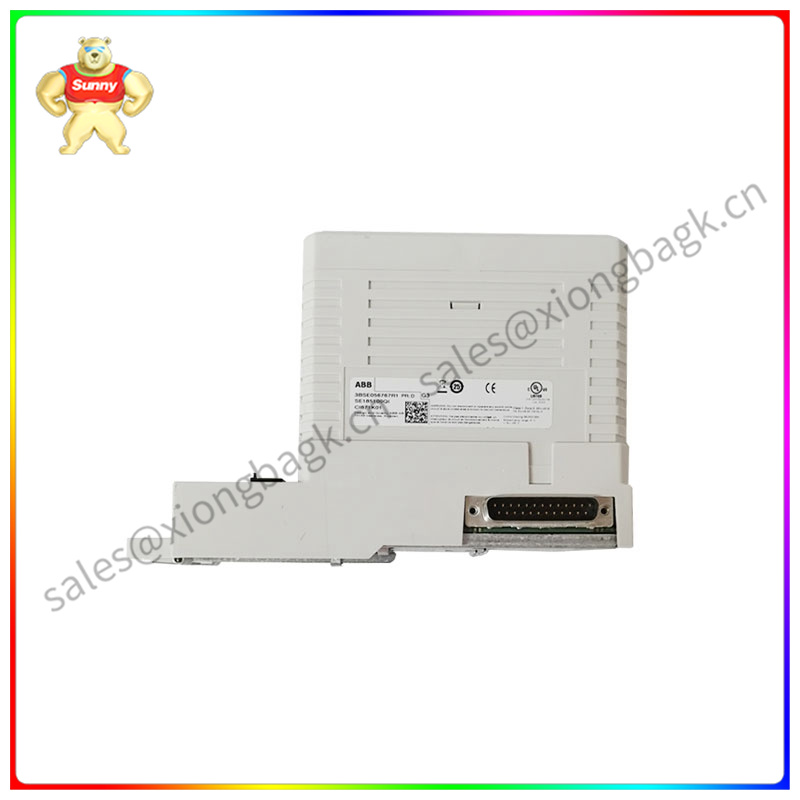
The CI871K01 is an analog input module produced by ABB that is commonly used in industrial automation systems. It has a variety of input channels, can receive analog signals and convert these signals into digital signals, and then output control signals through the output channel to achieve the control of the device.
The CI871K01 module is usually designed as a general purpose controller and can be used in a variety of applications, including process control, machine control and other fields. It supports a variety of input types and resolutions, such as 4-20mA, 0-10V, etc., which can be adapted to different analog input requirements. At the same time, the CI871K01 module also has a variety of output types and resolutions, such as 0-20mA, 0-10V, etc., to meet different control needs.
The CI871K01 module has the characteristics of high precision, low noise and high stability, and can adapt to different application scenarios and environments. It also has a safety isolation feature to ensure electrical isolation between the input signal and other systems, preventing interference and potential damage.
When designing and applying CI871K01 module, it is necessary to consider the measurement accuracy, signal stability, response time and other factors of the system, and select and configure according to actual needs. At the same time, it is also necessary to pay attention to the compatibility and communication protocols between other devices connected to the CI871K01 module to ensure the stability and reliability of the system.
In short, CI871K01 is a high-performance, high-reliability analog input module, which has a wide range of application prospects in the field of industrial automation.
The analog input module is a device used to collect the analog signal from the remote field to the computer. It uses the RS-485 bus as a data communication line, and can simultaneously input the analog signal to the module and transmit it to the computer through the RS-485 bus.
The principle of the analog input module is to convert the analog signal (such as current, voltage, temperature, etc.) into a digital signal, and then transmit it to the computer or PLC and other equipment for processing and control. It usually has the characteristics of high precision, low noise and high stability, and can adapt to different application scenarios and environments.
Analog input modules are used in a wide range of fields, including industrial automation, smart home, robotics and so on. In the field of industrial automation, analog input modules are usually used in data acquisition, process control, machine control and so on. It can connect and communicate with sensors, actuators and other devices for efficient, accurate and reliable control.
When designing and applying the analog input module, it is necessary to consider the measurement accuracy, signal stability, response time and other factors of the system, and select and configure according to the actual needs. At the same time, it is also necessary to pay attention to the compatibility and communication protocols between other devices connected to the analog input module to ensure the stability and reliability of the system.


