● Exterior :B = weatherproof bolt cover (for all non-explosion-proof applications)
Input signal range and impedance :| = 4 to 20, 4 to 12, or 12 to 20mA DC; 170 0; Forward or reverse action
● Output signal :2 = 20 to 100 kpa, 3 to 15 pounds per square inch, or 0.2 to 1.0 bar or kg per square centimeter
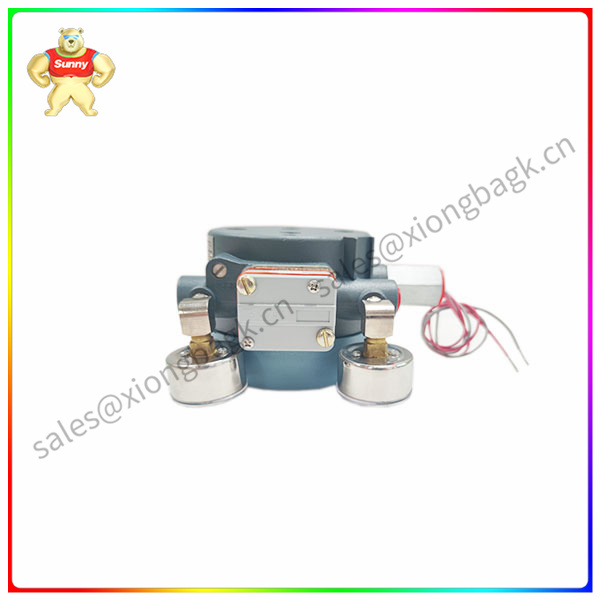
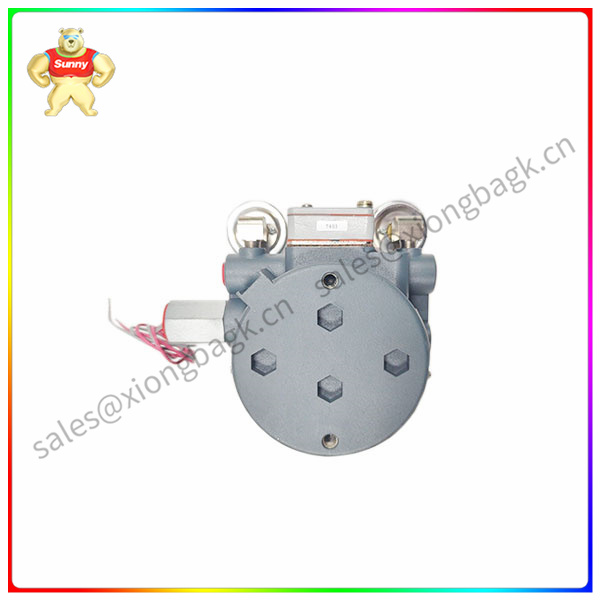
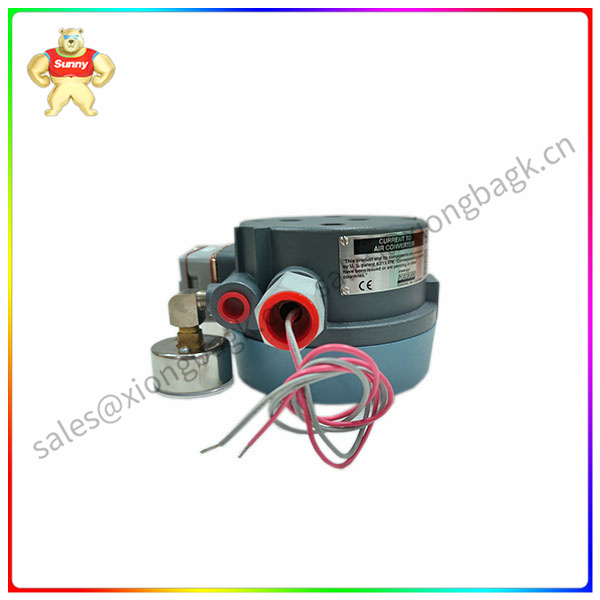
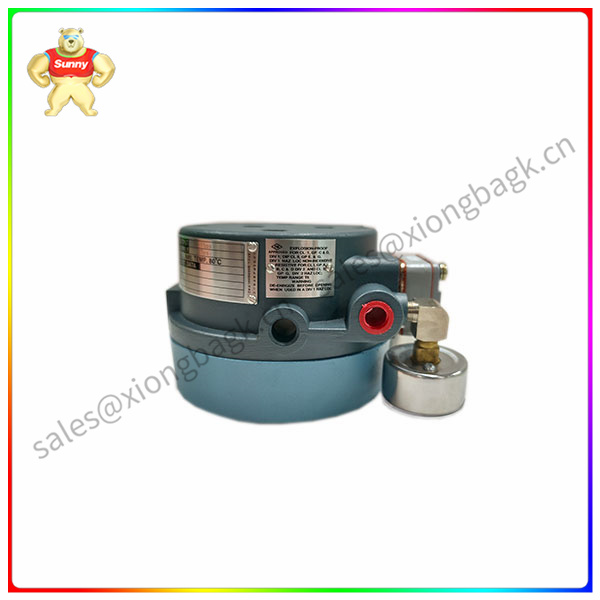
The functions, advantages and disadvantages of E69F-BI2-S are as follows:
Features:
Current-to-pneumatic signal conversion: The E69F-BI2-S can receive a standard DC input signal and convert it into a proportional pneumatic output signal, which makes it suitable for use with other pneumatic instruments or control valves.
Suitable for a variety of applications: This converter can be used in many different industrial automation and motion control scenarios, such as robots, packaging machinery, conveyor belts, textile machinery, etc.
Advantages:
High accuracy: The E69F-BI2-S has a high precision current-to-pneumatic signal conversion capability to provide a stable and accurate pneumatic output signal.
Compliance with EU Directives: The product complies with the applicable EU directives and can be legally sold and used in the EU.
Good compatibility: It can be used with other pneumatic instruments or control valves, with good compatibility.
Cons:
Regular maintenance required: Although the E69F-BI2-S has a high-precision conversion capability, regular maintenance and calibration are required to maintain its stability and accuracy.
Sensitive to environmental conditions: The device may be sensitive to environmental conditions (such as temperature, humidity, pressure, etc.), and needs to be used and maintained under certain environmental conditions.
Higher cost: The price of the E69F-BI2-S may be higher compared to the average pneumatic signal converter, which may limit its use in some applications with limited budgets.


