The GPIB-140A is a fiber optic GPIB (Universal Instrument Interface Bus) expander manufactured by National Instruments (NI). It can extend the GPIB system by 1 km without affecting the integrity of the GPIB or requiring any software modifications. The device uses buffered transmission technology, and the data transfer rate can reach 1.1 Mb/s (IEEE 488.1) or 2.8 Mb/s (HS488).
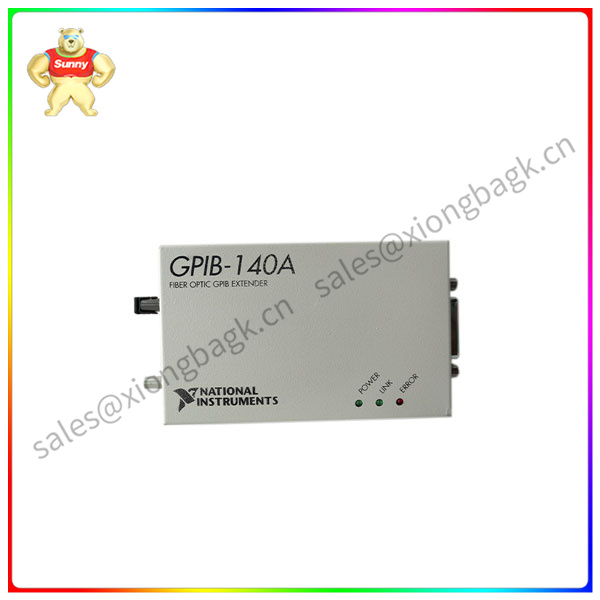
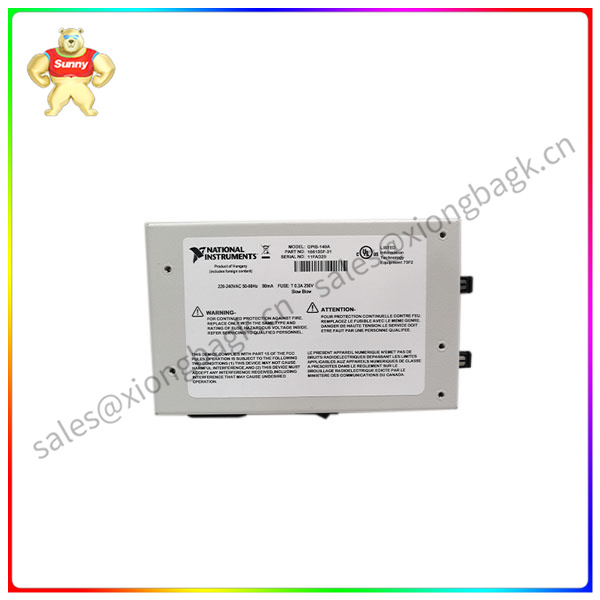
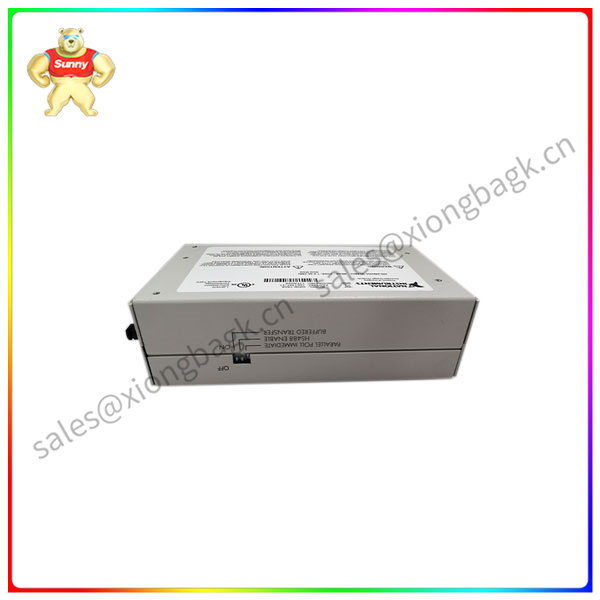
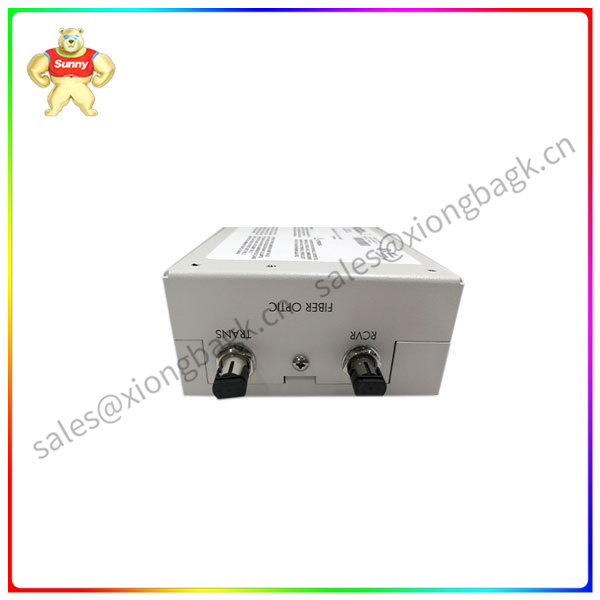
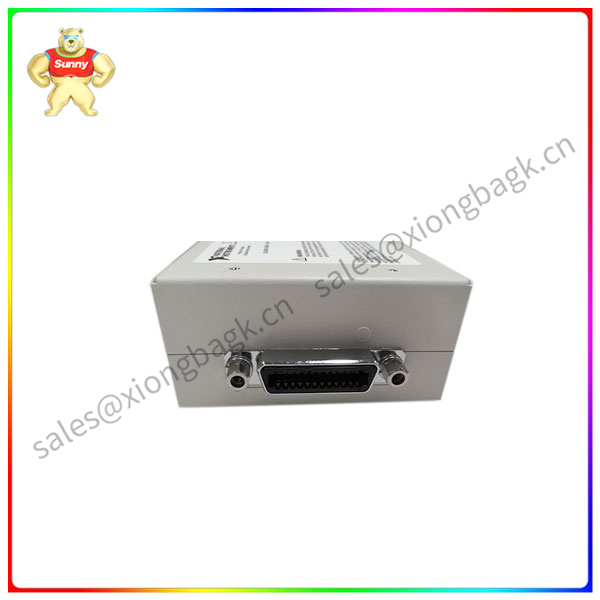
The nickel GPIB-140A(part number :777997-01,777997-02,777997-03,777997-04,777997-05, and 777997-06) is a GPIB bus extender. This equipment is very
Easily eliminate cable length and device load related limitations imposed by the EE 488 standard. The GPIB-140A is fully compatible with IEEE 488.1 and EE 488.2 standards. According to IEE 488 standard, Ren
The total length of any GPIB system cannot exceed 20 meters. The GPIB extender can reach a total distance of 1 km, and does not require any modification, nor does it affect the integrity of the user's GPIB system.
The GPIB extender can support up to 1 km of cable. This nickel GPIB-140A comes with a buffered transfer technology that makes this model the fastest GPIB bus extender available. Use this. - Model, use
Households working under the HS488t protocol can achieve speeds of more than 2.8 megabytes. This GPIB extender can be easily deployed with no additional hardware required. In typical cases, one end of the computer device is connected
To the cable expander. At the far end, the GPIB instrument is connected to a similar cable extension. The two cable extenders are then connected via optical cable.
Each nickel GPIB-140A continuously monitors GPIB activity and converts GPIB signals into parallel or serial signals for transmission to the receive extender. The receiving extender receives serial or parallel messages from the sending extender
And convert it to an IEEE 488 signal. This nickel GPIB-140A does not require modification of existing software applications as it is software transparent.
Benefits of GPIB-140A include:
High-speed transmission: Support high-speed data transmission, can achieve fast instrument control and data acquisition.
Fiber optic connections: Compared with traditional cable connections, fiber optic connections have higher bandwidth and anti-interference performance, allowing data transmission over longer distances.
Low latency: With very low latency, real-time control and response can be achieved.
Stability: With good stability and reliability, suitable for long-term stable operation and high requirements of the application.
Compatibility: Compatible with standard GPIB interfaces, seamless integration with other GPIB devices.
User-friendly: With user-friendly interface and configuration tools, it is convenient for users to configure and monitor the device.
High reliability: Due to the use of optical fiber connection, with high anti-interference ability and stability, suitable for complex industrial environments.
Overall, the GPIB-140A extender is an excellent device for a variety of industrial automation and instrumentation applications that require high-speed, stable data transmission. However, like all technical products, GPIB-140A also has its limitations and shortcomings, such as relatively high cost, the use of the environment and technical requirements are more strict, requiring users to make appropriate choices according to their own needs.


