The GE IS200SRTDH2ACB is an analog input module commonly used in industrial automation A and control systems. The main role of this module is to receive analog input signals from external sensors or devices, which are usually used to measure and monitor various physical parameters, such as temperature, excitation flow, voltage, current, etc.
The IS200SRTDH2ACB is a circuit board manufactured by GE for the Mark VI series. It is a general purpose printed circuit board with a variety of functions and features.
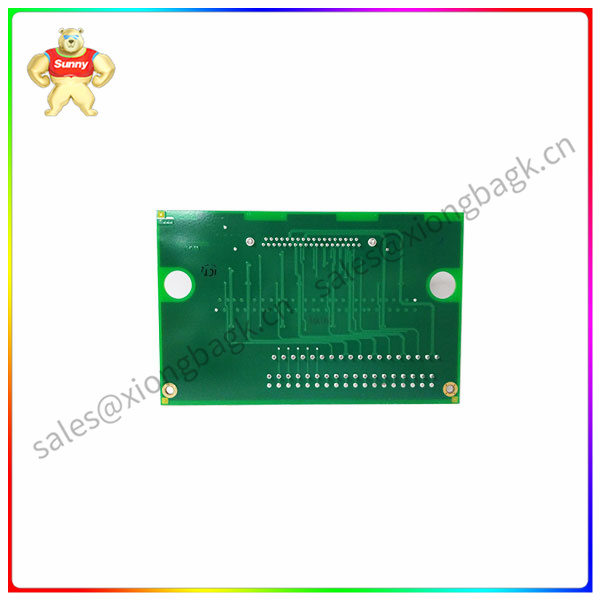
The IS200SRTDH2ACB is commonly used in industrial automation and control systems to receive and process analog signals. It has high reliability, stability and durability, suitable for a variety of harsh industrial environments.
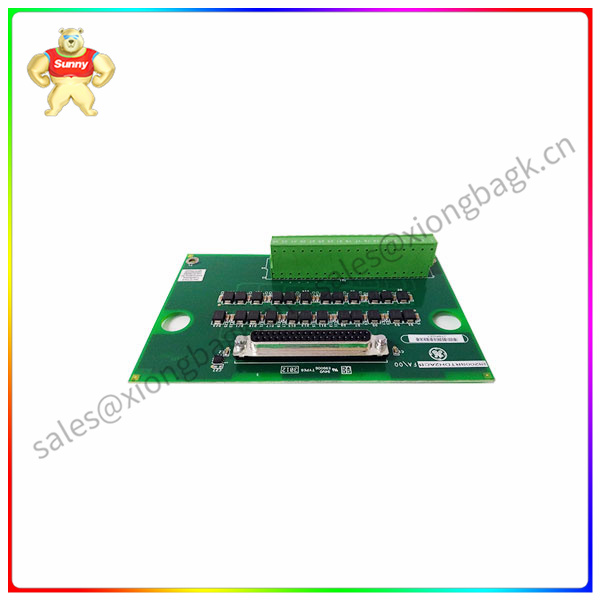
In addition, the IS200SRTDH2ACB also has a programmable function, which allows users to program various control and monitoring functions. At the same time, it also supports a variety of communication protocols, and can be connected and communicated with various industrial automation equipment to achieve data sharing and control collaboration.
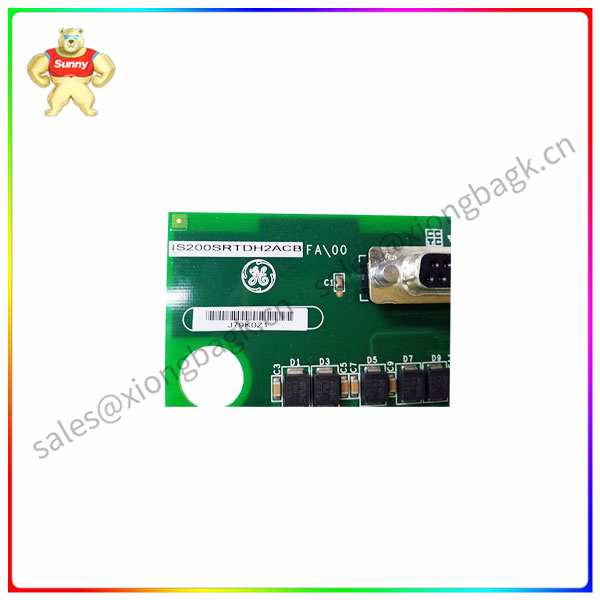
Here are some of the features and specifications that may be relevant to the GE IS200SRTDH2ACB analog input module:
1. Number of analog input channels: The module usually has multiple analog input channels, and each channel can receive input from an analog signal source.
2. Input range: Modules usually support a specific range of input signals to adapt to the output range of different sensor Q or devices. This can be a voltage signal, a current signal, or some other type
The analog signal.
3. Resolution: Resolution indicates that the module can measure and represent the accuracy of the input signal. Higher resolution usually means more accurate measurements.
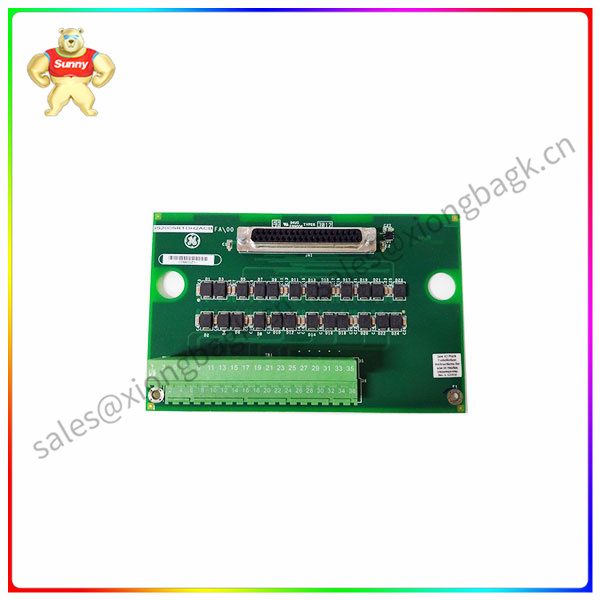
4. Sampling rate: Sampling rate indicates the frequency at which the module samples the input signal. Higher sampling rates can provide more detailed data, but also require more computing resources.
5. Communication interface: It usually has a communication interface to transmit the measurement data to the control system Q or other devices for further analysis and control.
6. Fault detection and diagnosis: Modern analog input modules usually have built-in fault detection and diagnosis functions to monitor the status of the input channel and report faults.
7. Programming and configuration: Modules usually need to be programmed and configured in the control system to define the function and behavior of each channel.


