Multiple input/output options: GE IS200TPROS1CBB IS230TSPRH1C MRP680538 modules typically offer a variety of digital input and output channels, as well as analog input and output channels, to full
Meet the needs of different applications.
High-performance processor: PLC modules are usually equipped with high-performance processors that can handle complex control logic and tasks.
Multiple communication interfaces: GE IS200TPROS1CBB IS230TSPRH1C MRP680538 module usually has a variety of communication interfaces, such as Ethernet, serial communication, etc., in order to count with other devices
Exchange of data.
Programming flexibility: PLC modules usually support a variety of programming languages, such as ladder diagrams, instruction tables, structured text, etc., to adapt to different users' programming habits.
Real-time control capability: The GE IS200TPROS1CBB IS230TSPRH1C MRP680538 module usually has real-time control capability, which can respond to input changes and execute the corresponding control logic in a short time
Modular design: Some PLC modules have a modular design that can be expanded and customized according to needs.
Fault diagnosis and monitoring: PLC modules typically provide fault diagnosis and monitoring functions so that users can monitor system status and quickly resolve problems.
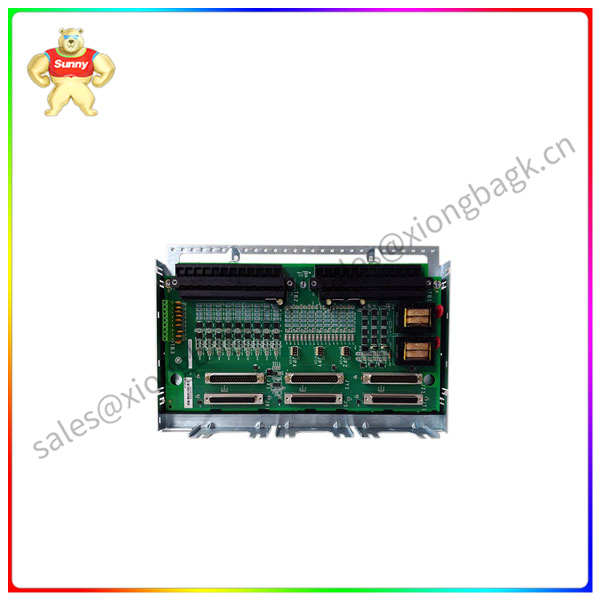
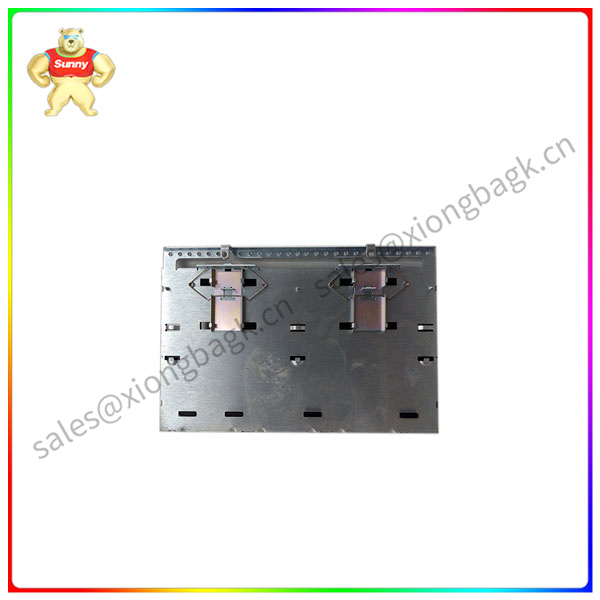
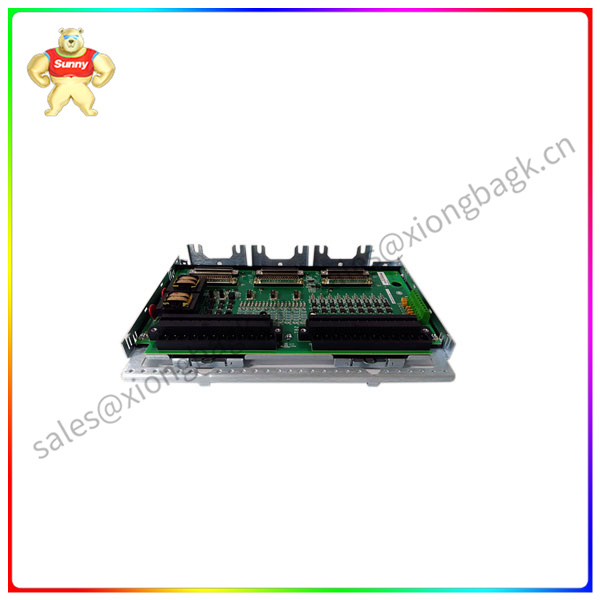
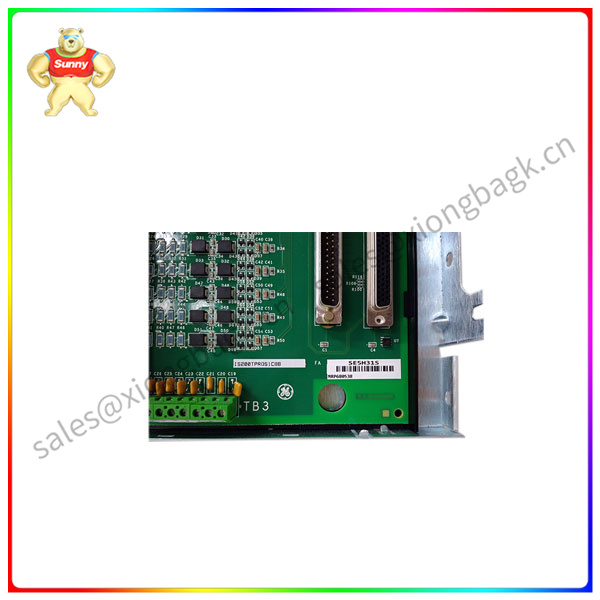
Output modules are commonly used in industrial automation and control systems, and their role is to receive signals from the control system and convert these signals to control external devices or perform specific actions.
Here are some common application areas for output modules:
1. Industrial automation: Output module is widely used in industrial automation system, used to control production equipment mechanical arms, valves, valves, conveyor belts, etc., to achieve automated manufacturing and
The processing process.
2. Building automation: In building management systems, output modules can be used to control lighting systems, heating, ventilation, air conditioning systems (HVAC), elevators, security systems and forbidden systems
To improve the energy efficiency and comfort of the building.
3. Process control: In the chemical, oil and gas, power and other industries, output modules are used to monitor and control process parameters such as temperature, excitation, level and flow to ensure production
Process safety and efficiency.
4. Equipment monitoring and diagnosis: The output module can be used to monitor the status of industrial equipment, such as motors, pumps, fans, etc., and perform maintenance or fault detection operations when needed.
5. Environmental monitoring and control: In the field of environment, the output module can be used to monitor weather stations, water treatment equipment, wastewater treatment equipment, etc., to ensure that environmental parameters are in an acceptable range
6. Robot control: The output module can be used in the robot system to perform the robot's actions, control its end effector, and work with other sensors such as the vision system.
7. Safety systems: In the field of safety, the output module can be used to control safety devices such as fire alarms, emergency shutdown devices and safety locking systems.
8. Data center management: The output module can be used for the management of data center equipment, such as UPS (uninterruptible power supply) systems, generators and air conditioning systems, to ensure the stability of the data center
Sex and reliability.


