The IS220PAICH2A analog input module, also known as A/D module, will be checked by the sensor in the field
The continuous analog signal generated by the measurement is converted into a digital that the PLC's CPU can receive
Quantity, generally 12-bit binary number, the more digital quantity of the module, the higher the resolution.
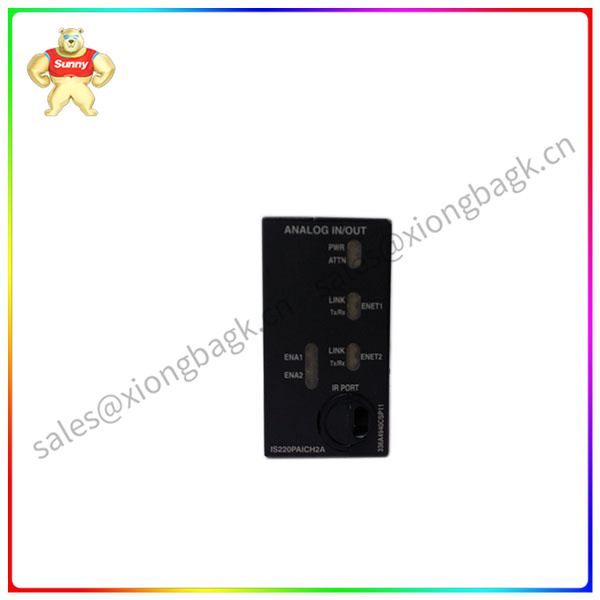
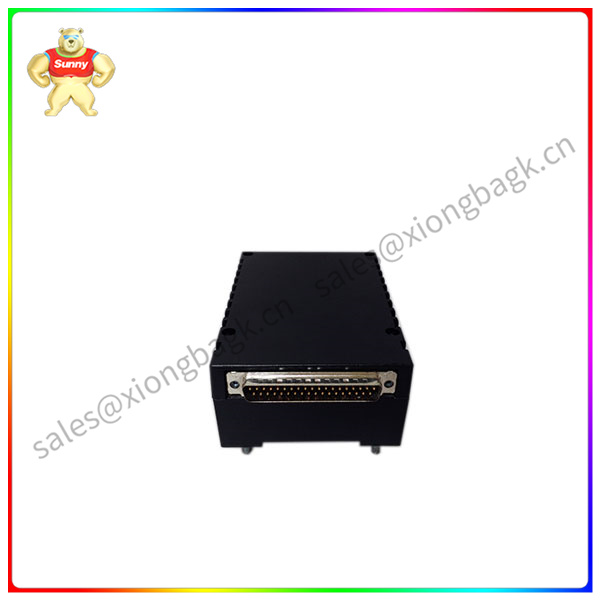
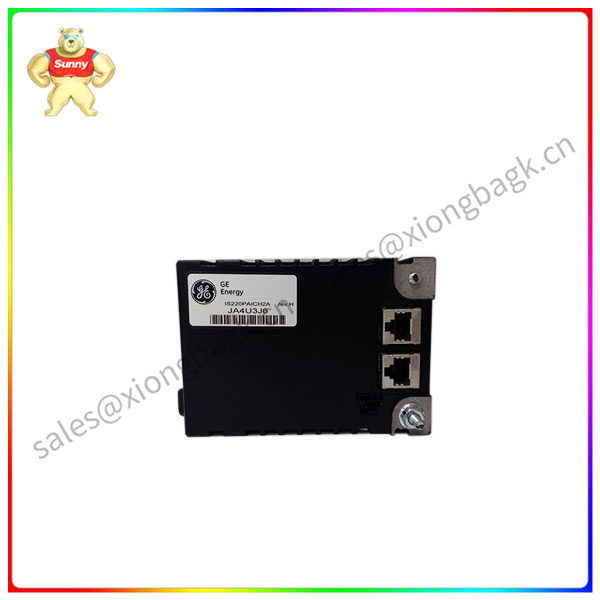
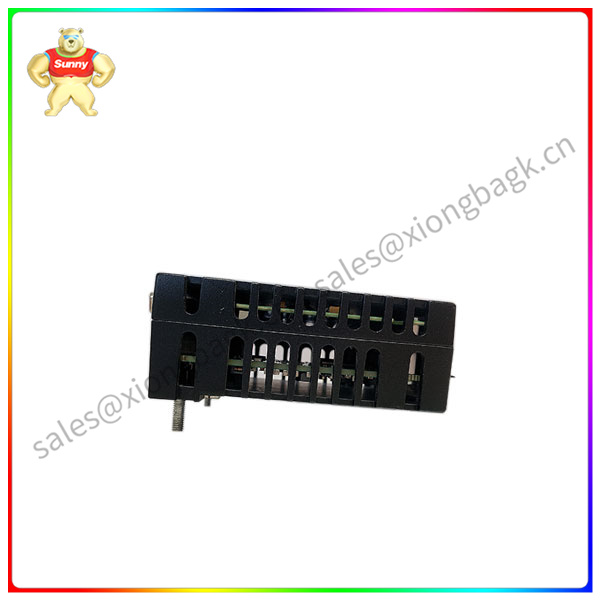
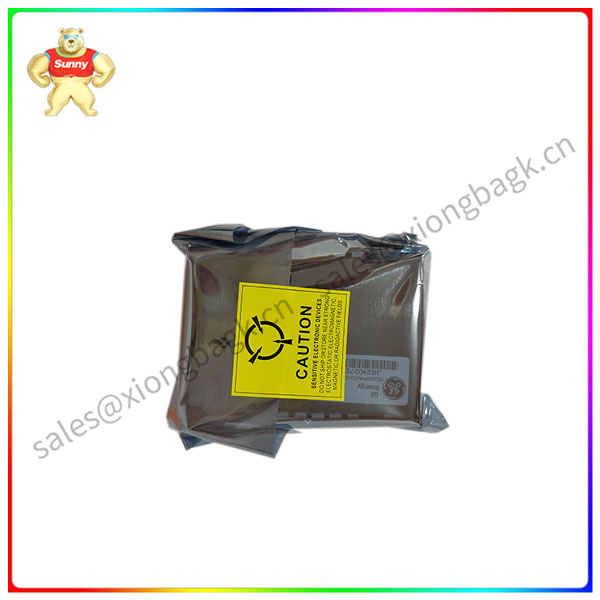
The advantages of IS220PAICH2A include:
High precision: The continuous analog signal generated by the sensor detection can be converted into the digital quantity that the PLC CPU can receive, generally 12-bit binary number, the higher the digital quantity, the higher the resolution.
Good stability: The module has good stability and reliability in industrial control systems.
High-speed transmission: Data can be transmitted quickly, thereby improving the response speed of the entire control system.
Easy to use: with the CPU of the PLC, you can easily carry out data acquisition and control operations.
The disadvantages of IS220PAICH2A include:
Higher cost: Compared with other types of input and output modules, IS220PAICH2A has a higher price.
High technical requirements: A certain technical background is required to properly use and maintain the module.
Compatibility issues: May not be compatible with some types of PLC, need to choose carefully to use.
Analog I/O module is a kind of module used in industrial control system, which can convert the continuous analog signal generated by the sensor detection in the field into a digital quantity that can be received by the computer or controller. This module usually has the advantages of high precision, stability and reliability, high speed transmission and easy to use. It can be widely used in various industrial automation fields, such as temperature, pressure, liquid level, flow and other physical quantities measurement and control.
There are many types of analog I/O modules, including analog input modules, analog output modules, analog input/output modules, etc. These modules can be mounted on rails or racks with multiple slots, each module inserted into one of the slots. Guide rails or racks have different specifications, and the number of slots is divided into 4, 8, and 12.
When using analog I/O modules, there are several things to be aware of:
Confirm the type and specifications of the module to ensure a match with your industrial control system.
Confirm the input and output signal type and range of the module to ensure compatibility with your sensors and controllers.
Install the module correctly, following the installation guidelines and recommendations provided by the manufacturer.
In the process of use, pay attention to regular maintenance and check the working status of the module to ensure its normal operation.
In short, the analog I/O module is an indispensable part of the industrial control system, which can realize the data conversion and transmission between the sensor and the computer or controller. In the process of use, it is necessary to pay attention to the selection of the appropriate module type and specifications, the correct installation and maintenance of the module to ensure its normal operation and improve the performance and reliability of the entire control system.


