Pci-8516 (Part number: 781365-01) is a PCI bus interface board for soft action control. This model offers 6 channels, the most developed encoder interface, 16-bit D/A yield, and a position-mode servo or stepper driver for soft motion control. To handle class A and B signals up to 5MHZ, encoders and D/An interfaces are separated from the servo drive, and broken or short lines are identified along with multiple advanced channels. Other push highlights offered by this model include sub-counts for low speed feedback, watchdog or encoder line fault alert interference, recording and general computerized input hindrance for position locking, position checking and advanced CAM hindrance, and even double the printing capability to make it the best motion interface board ever.
The NI PCI-8516 uses controller area systems as part of a variety of installation applications, from small medical devices to large earthmoving equipment. To best utilize the cost and execution of CAN in these unique applications, while maintaining the programming and useful similarity of the device, users can take advantage of a variety of physical layers improved for various benchmarks. The physical layer used by CAN guides the wiring writes, electrical signal levels, and terminal schemes used. The CAN interface segment that associates a CAN controller with a system is called a transceiver.
PCI-8516 with 2-port fast LIN interface (20 kbit/ s per port) and locally available ATA6620 transceiver, NI-XNET drivers are used to create edge and signal applications in LabVIEW, LabWindows™/ CVI and C/ C++. And the NI-XNET gadget driven DMA motor couples LIN transport to provide a storage for LIN transport to limit message inactivity.
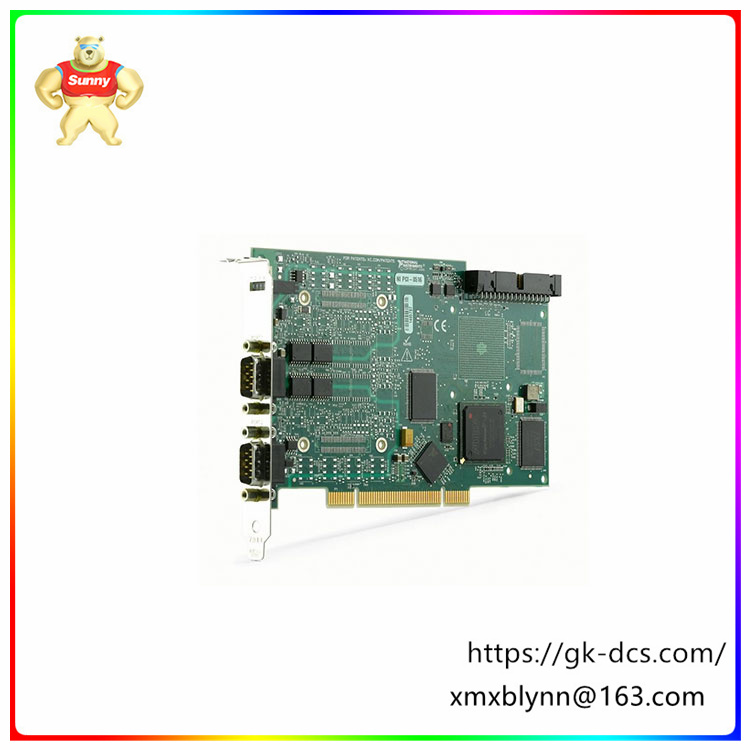
The PX1-8516/2 is a Local Area Interconnect network (LIN) developed in conjunction with NI-XNET driver
Use the program. nPX1-8516/2 is ideal for applications that require high-speed real-time operation of hundreds of CAN frames and signals, such as hardware-in-the-loop simulation fast control prototype, bus monitoring, automation control, etc. NI-XNET device-driven DMA bow | enables on-board processors to transfer IN frames and signals between interfaces and client programs without interrupting CPL, minimizing message latency and giving host processors time to process complex models and applications.