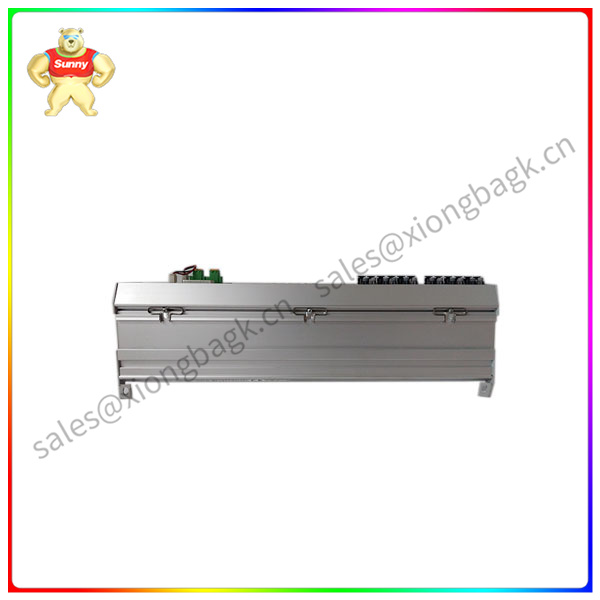
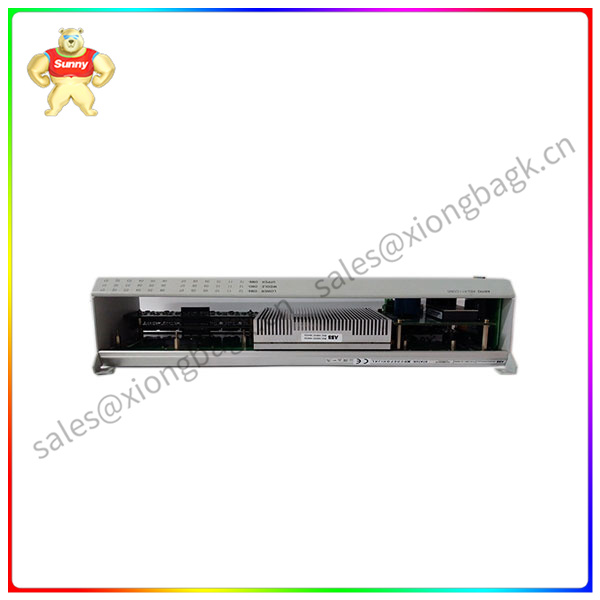
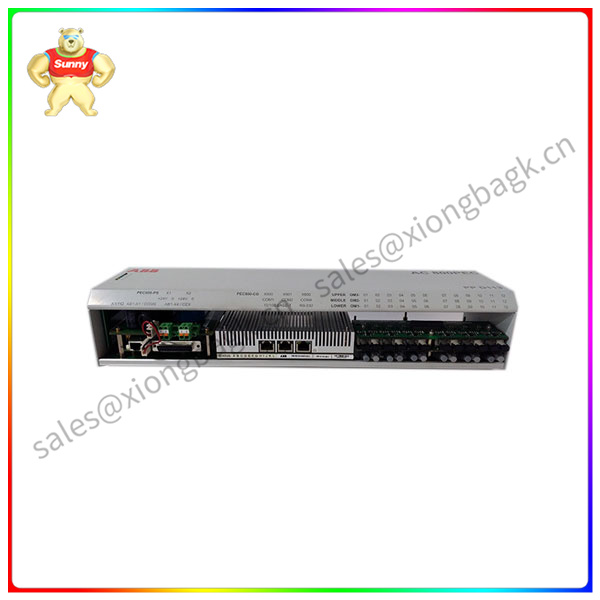
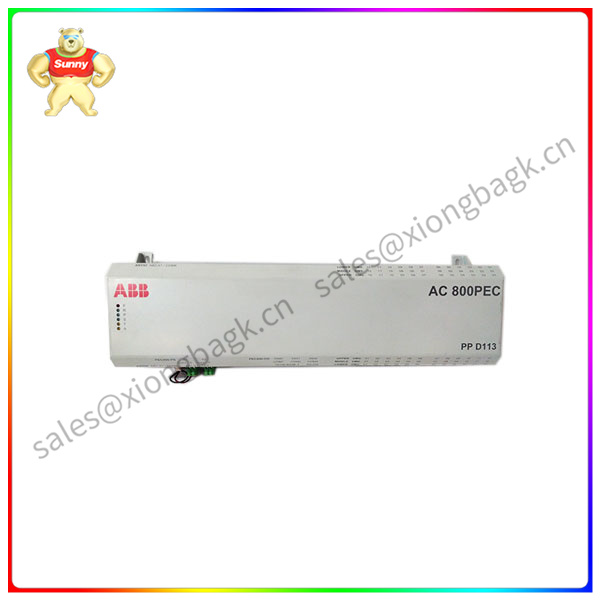
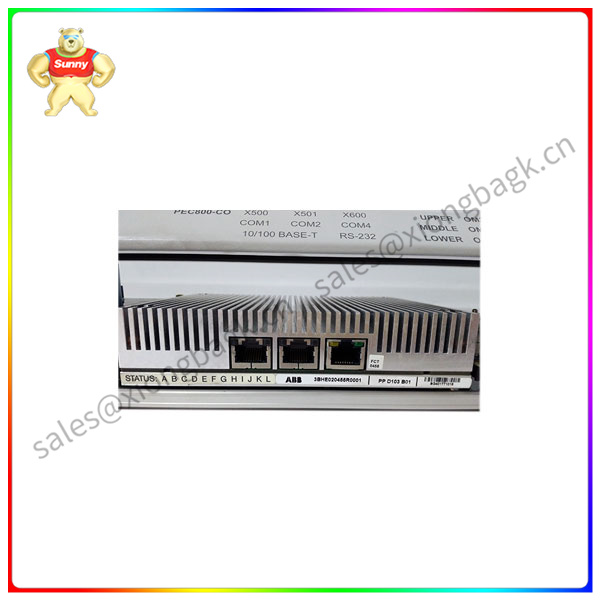
ABB CPU PPD113B01-10-150000, PPD113-B03-23-111615, PPD115A102, PPD113B03-26-100110, PPD113B01-10-150000 encountered program jump instruction, The jump address of the program is determined according to whether the jump condition is satisfied. When the input and output state is involved from the user program, the PLC reads the corresponding input terminal state taken in the previous stage from the input image register, reads the corresponding image register from the output image register, carries out logical operations according to the user program, and stores it in the relevant device register. For each device, the contents stored in the device image register will change as the program is executed. Supply chain transformation has ushered in a new era of real-time, end-to-end transparency and performance management. Key to the development of this technology are RFID tags and readers, which help automate inventory processes, streamline workflows and speed up production lines. RFID solutions can also complement and integrate with emerging machine vision solutions to improve process accuracy and reliability. With predictive analytics, companies can more accurately predict future demand for parts or finished products on a weekly basis. Normative analysis provides clear guidance on what actions can or should be taken now to make the supply chain as safe as possible from relevant operational errors or potentially disruptive events.
Driving this evolution in Supply Chain 4.0 are major advances in automation and traceability technology. For example, RFID scanning technology updates traditional 2D barcodes and increases productivity, while being integrated with other solutions such as machine vision and predictive analytics. Fixed RFID readers will play an important role in the future warehouse environment. When combined with other advanced solutions, RFID technology can support key economic drivers in a warehouse or distribution center, including asset visibility, productivity, quality control, and tracking and traceability.
RFID technology is becoming more effective and cost-effective in warehouse and logistics environments, leading to wider adoption. However, to achieve (ROI), you need to work with solution providers to help integrate technology into the business to avoid siloed workflows and minimize complexity. Manufacturing plants are particularly suitable for passive RFID readers because materials there typically follow a fixed path through the facility. The new wide-area advanced RFID antenna expands the scanning range for real-time location tracking of every asset in the warehouse.


