The SD821 is a frequency converter module from ABB that is mainly used for speed control and regulation of motors. Frequency converter is a device that can change the operating frequency of the motor. By adjusting the frequency and voltage of the power supply, the speed and operating state of the motor can be controlled. SD821 inverter module with high performance, high reliability, wide adjustment range and other characteristics, widely used in industrial automation, machinery manufacturing, textile, chemical and other fields.
SD821 inverter module has the following advantages:
High performance: SD821 inverter module adopts advanced control algorithm and high-speed processor, which can achieve accurate speed control and adjustment, improve the operating efficiency and stability of the motor.
Wide speed control range: The module has a wide speed control range, which can meet the speed control needs of different motors, and achieve stepless speed control and accurate control.
High reliability: The SD821 inverter module uses high-quality electronic components and advanced production processes to ensure the reliability and stability of the equipment, which is suitable for a variety of harsh industrial environments.
Easy to use and maintain: The module design is reasonable, easy to install, users can easily use and maintain. At the same time, it also provides a wealth of protection functions, such as over current, over voltage, under voltage and other protection, to ensure the safe operation of the equipment.
Multiple communication interfaces: SD821 inverter module supports a variety of communication protocols and interfaces, such as Modbus, Profibus, etc., to facilitate communication and integration with other devices.
It should be noted that the SD821 inverter module belongs to the industrial equipment in the professional field, which requires the user to have a certain professional knowledge and experience to select and use. When selecting a frequency converter module, it is recommended to comprehensively consider and evaluate the specific application scenario, motor type, speed regulation requirements, and other factors.
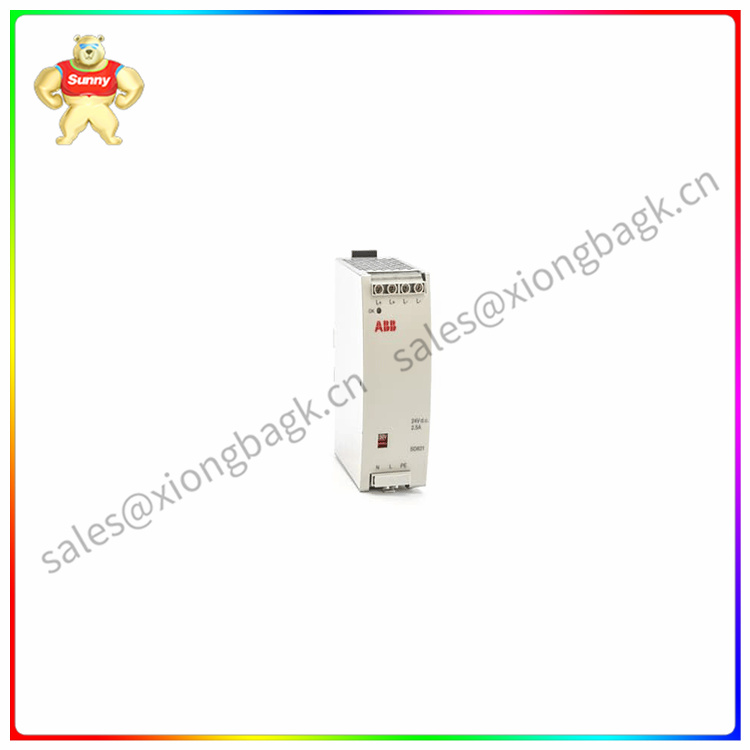
SD821 is an ABB frequency converter module, mainly used for motor speed control and regulation. The following is an analysis of its advantages and disadvantages:
Advantages:
High performance: The SD821 uses advanced control algorithms and high-speed processors to achieve precise speed control and regulation to meet the needs of complex and demanding industrial applications.
Wide speed regulation range: The module has a wide speed regulation range, can adapt to the speed regulation needs of different motors, achieve stepless speed regulation and precise control, and improve the operating efficiency and flexibility of the motor.
High reliability: The SD821 uses high-quality electronic components and advanced production processes to ensure the reliability and stability of the equipment. It also has a wealth of protection functions, such as over current, over voltage, under voltage and other protection, effectively protect the safe operation of the motor and equipment.
Easy to use and maintain: The module design is reasonable, easy to install, users can easily use and maintain. At the same time, it also provides a friendly user interface and rich debugging tools, which is convenient for users to set parameters and troubleshoot.
Multiple communication interfaces: SD821 supports a variety of communication protocols and interfaces, such as Modbus, Profibus, etc., to facilitate communication and integration with other devices, improving the flexibility and scalability of the system.
Cons:
High cost: As a high-quality product of ABB, the cost of SD821 may be relatively high, which may increase the investment cost of users.
The technical threshold is high: although SD821 provides a wealth of features and debugging tools, for users without relevant experience, it may take some learning and practice to master its use skills.
Dependence on specific protocols: While SD821 supports a variety of communication protocols and interfaces, it may rely on a specific protocol or system, which may limit its use in some application scenarios.